Walk into any RV dealership and you will face a bewildering lineup of floor plans, chassis types, and tow ratings. The sales pitch will make every single one sound perfect for your lifestyle. Choosing the wrong rig is one of the most expensive mistakes a new RVer can make — not because the rig is bad, but because it does not match how you actually travel. This guide covers each major category honestly: what it is, what it costs to operate, who it genuinely suits, and the tradeoffs that do not show up in the brochure.
Class A Motorhome — Gas
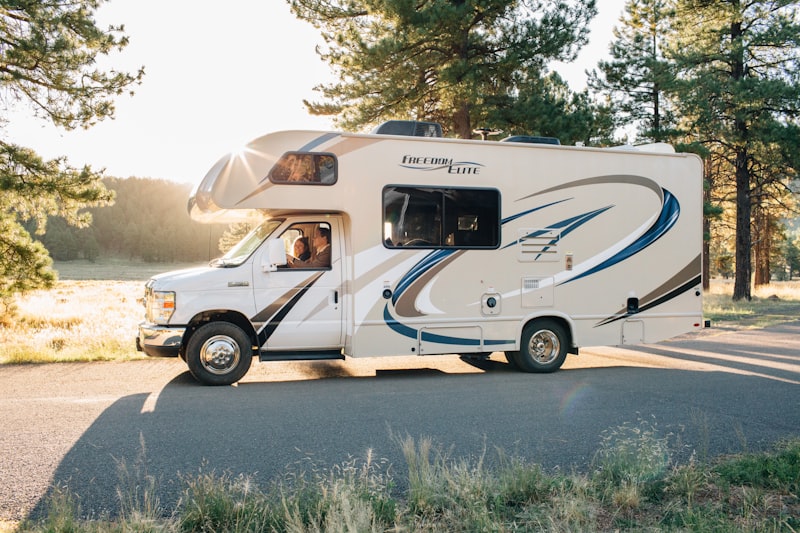
Class A gas motorhomes are built on a heavy-duty commercial truck or custom motor coach chassis, with the living area extending from front to rear. They typically run 26-38 feet, with a gas engine (usually a V10 or 8.1L) mounted at the front.
Typical length: 26-38 ft | MPG range: 6-10 | Price new: $80,000-$200,000
Gas Class A rigs are a solid choice if you want significant living space without the diesel premium. They drive reasonably well on interstates and in parks with pull-through sites. Where they struggle: narrow mountain campground roads, sites under 35 ft, and any elevation gain that forces the engine to work hard. Gas engines have lower torque than diesel at altitude, which shows on grades.
- Long-distance interstate travel
- Full-timers who prioritize interior space
- Couples without a toad (towed car)
- Mountain passes and steep grades
- Tight campground loops
- Those on a fuel budget
Class A Motorhome — Diesel Pusher
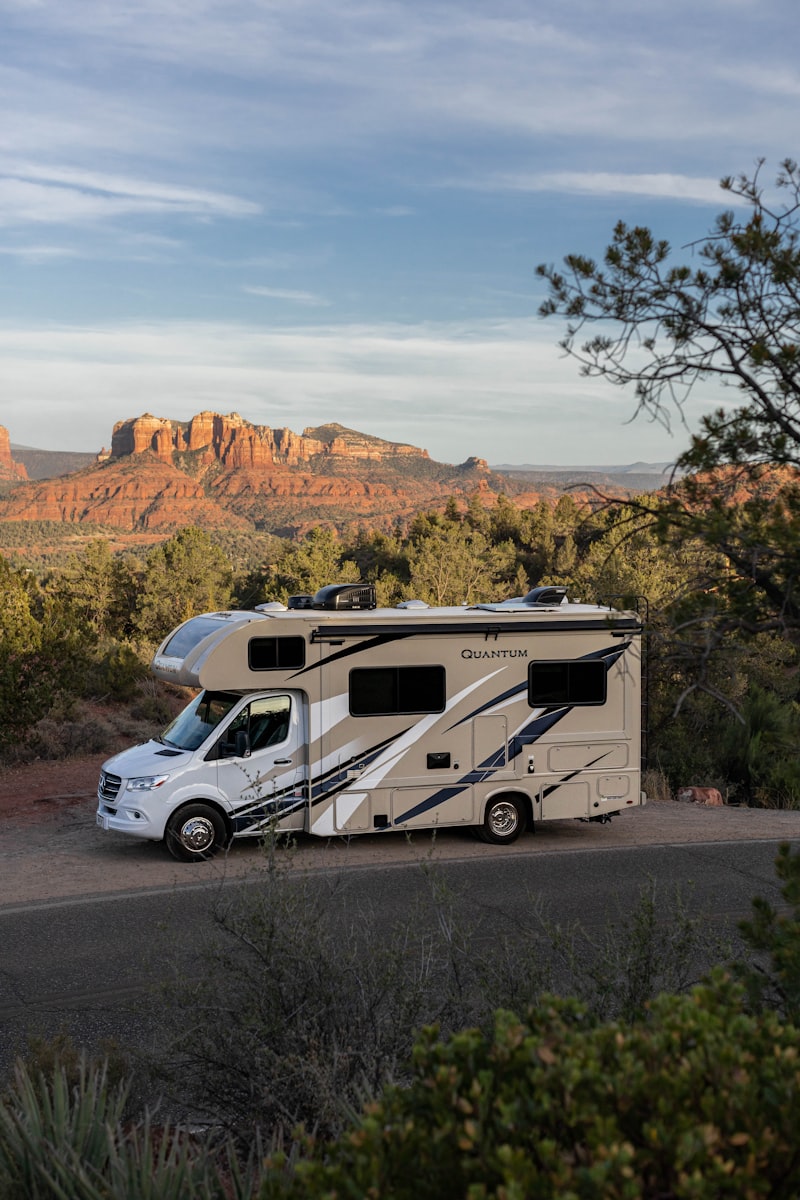
A diesel pusher puts the engine at the rear of the coach. The drivetrain is typically a Cummins or CAT diesel, which delivers significantly more torque than a comparable gas engine — a meaningful advantage when climbing grades with 40,000 lbs under you. Diesel pushers range from 34-45 ft and represent the upper tier of the market.
Typical length: 34-45 ft | MPG range: 7-12 | Price new: $200,000-$600,000+
If you are full-timing and doing serious miles, a diesel pusher pays back in engine longevity, fuel efficiency at highway speed, and the ability to tow a car flat without taxing the drivetrain. The downsides are price (both purchase and repair) and the fact that at 40+ feet you are locked out of a meaningful percentage of campgrounds — particularly state parks and older private parks with short pads.
- Full-timers covering 20,000+ miles/year
- Towing a car (flat-tow)
- High-altitude travel
- State park sites (often 35 ft max)
- Anyone on a budget — parts and service are expensive
Class B — Campervan

Class B rigs are built inside a full-size van chassis — most commonly the Mercedes Sprinter, Ram ProMaster, or Ford Transit. Everything is purpose-built for efficiency: a folding or permanent bed, a compact wet bath, a small galley kitchen, and storage that uses every cubic inch. Standard lengths run 17-24 ft.
Typical length: 17-24 ft | MPG range: 16-22 | Price new: $90,000-$180,000
The Class B is the only RV you can park in a regular city parking spot, drive to a trailhead, and not stress about. That mobility comes at a cost: the living space is genuinely small. Two adults can live in a well-built Class B, but it requires intention and comfort with proximity. For solo travelers and active couples who spend most of their time outside, it is often the best choice on the market.
- Solo travelers and active couples
- Urban use between campgrounds
- Boondocking and dispersed camping
- Families or groups needing separate sleeping areas
- Long-term full-timing with lots of gear
Class C Motorhome
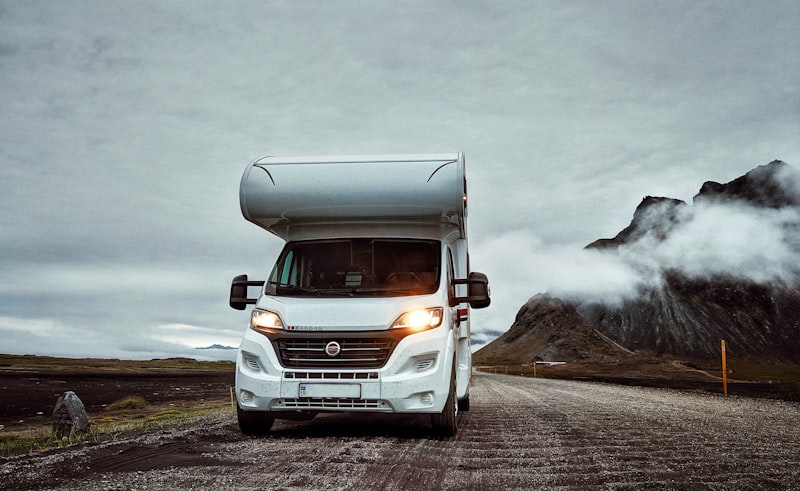
The Class C is built on a cutaway van or truck chassis — always identifiable by the cab-over bunk that extends above the driver and passenger seats. Most Class C rigs run 20-33 ft and use a Ford E-450 or Ram 4500 chassis with a gas V8 or V10 engine.
Typical length: 20-33 ft | MPG range: 10-14 | Price new: $75,000-$160,000
For new RVers, the Class C is often the most practical starting point. It drives more like a large truck than a bus, fits most campground sites under 35 ft, gets better mileage than a Class A, and usually offers separate sleeping areas for families. The cab-over bunk is useful if you are traveling with kids. The shorter wheelbase maneuvers better in tight spots, and entry at the door is easier than stepping up into a Class A.
- Families with children
- First-time motorhome buyers
- National and state park camping (fits most sites)
- Full-timers who need maximum living space
- Those who want diesel torque without Class A pricing
Fifth Wheel
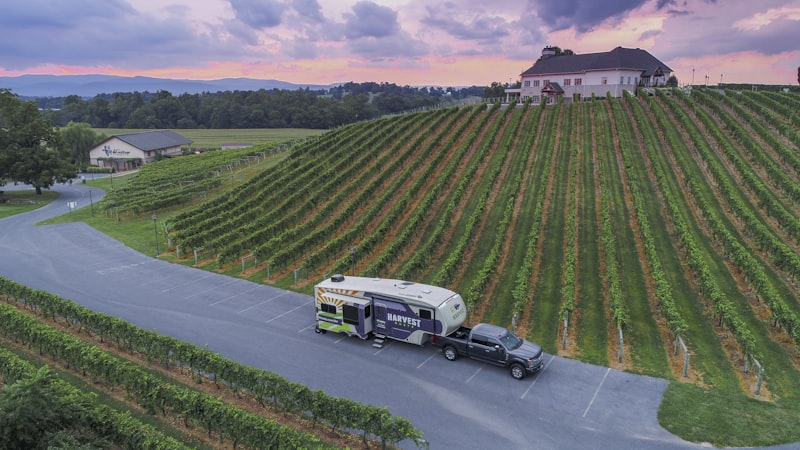
A fifth wheel trailer connects to a specialized kingpin hitch mounted in the bed of a pickup truck. This connection point sits over the rear axle, improving weight distribution and reducing sway compared to a standard ball hitch. Fifth wheels typically run 24-40 ft and often feature bi-level floor plans with a raised bedroom over the hitch area.
Typical length: 24-40 ft | MPG towing: 9-14 | Price new: $40,000-$150,000
For people who already own a capable pickup, fifth wheels offer the most living space per dollar. The hitch-over-axle design makes them more stable than travel trailers at highway speed, and their floor plans tend to be more residential — separate bedrooms, full kitchens, washer/dryer hookups. The requirement for a long-bed or mid-bed pickup with a slider hitch is the main logistical constraint.
- Pickup owners who want maximum living space
- Full-timers on a budget vs a diesel pusher
- Families who want separate sleeping areas
- Those without a tow-capable pickup (3/4-ton preferred)
- Tight campground loops with short sites
Travel Trailer

Travel trailers are the most popular type of RV in the U.S. They use a standard ball hitch on any appropriately rated tow vehicle, come in more sizes and floor plan configurations than any other category (13 ft teardrops to 40 ft luxury models), and can be detached at the campground so you can use your tow vehicle independently. Entry prices are the lowest of any RV category.
Typical length: 13-40 ft | MPG towing: 10-18 | Price new: $15,000-$100,000
The main tradeoffs versus a fifth wheel are stability (ball hitches have more sway potential, especially on windy days or when passing semis) and the requirement for a weight distribution hitch and sway control on longer units. The main advantage over a motorhome: once parked, your tow vehicle is free for grocery runs and day hikes.
- First-time buyers on a budget
- Families who want the tow vehicle free at camp
- Weekend campers who do not need full-time amenities
- High-wind corridors and mountain switchbacks
- Full-timers who want a residential feel
Pop-up Camper

Pop-up campers (also called folding camping trailers) collapse to a low, aerodynamic box for towing and then expand at the campsite into a canvas-walled shelter with fold-out sleeping bunks. They typically run 8-16 ft when collapsed and 16-20 ft when set up.
Typical length: 8-16 ft collapsed | MPG towing: 16-24 | Price new: $8,000-$25,000
Pop-ups are the entry point to towable RVing. They can be towed by almost any vehicle capable of hauling a few thousand pounds, which makes them accessible to people with sedans or small SUVs. The canvas walls mean you are closer to the outdoor experience than in a hard-sided unit — which is the appeal, but also means you hear and feel everything outside. Condensation and canvas care add maintenance that hard-sided trailers avoid.
- Budget-constrained buyers
- Small tow vehicles
- Those who want the camping experience more than the comfort
- Cold or wet climates (canvas breathes)
- Full-timers or extended trips
Renting an RV before you buy is one of the smartest moves a new RVer can make. Test different rig types — Class A, Class C, fifth wheel — on real trips before committing to a purchase.
Enter your rig, MPG, and distance — see total cost, fuel stops, and what you save by slowing down.
Frequently Asked Questions
RVSpot may earn a commission from purchases made through some links on this page, at no additional cost to you.